At Own A Car in Fresno, we’ve watched interest in used Tesla vehicles surge year after year. Drivers love the instant acceleration, smooth ride, and tech-forward design. When shoppers step onto our lot and ask about Tesla, the conversation almost always centers on two models: the Model 3 and the Model Y. Both deliver fully electric performance. Both offer an impressive range. Both feel futuristic from the moment you sit behind the wheel. The real difference comes down to size, seating, cargo space, and how you plan to use your vehicle across Fresno and throughout California.
Tesla Model 3: Precision and Efficiency in a Sedan
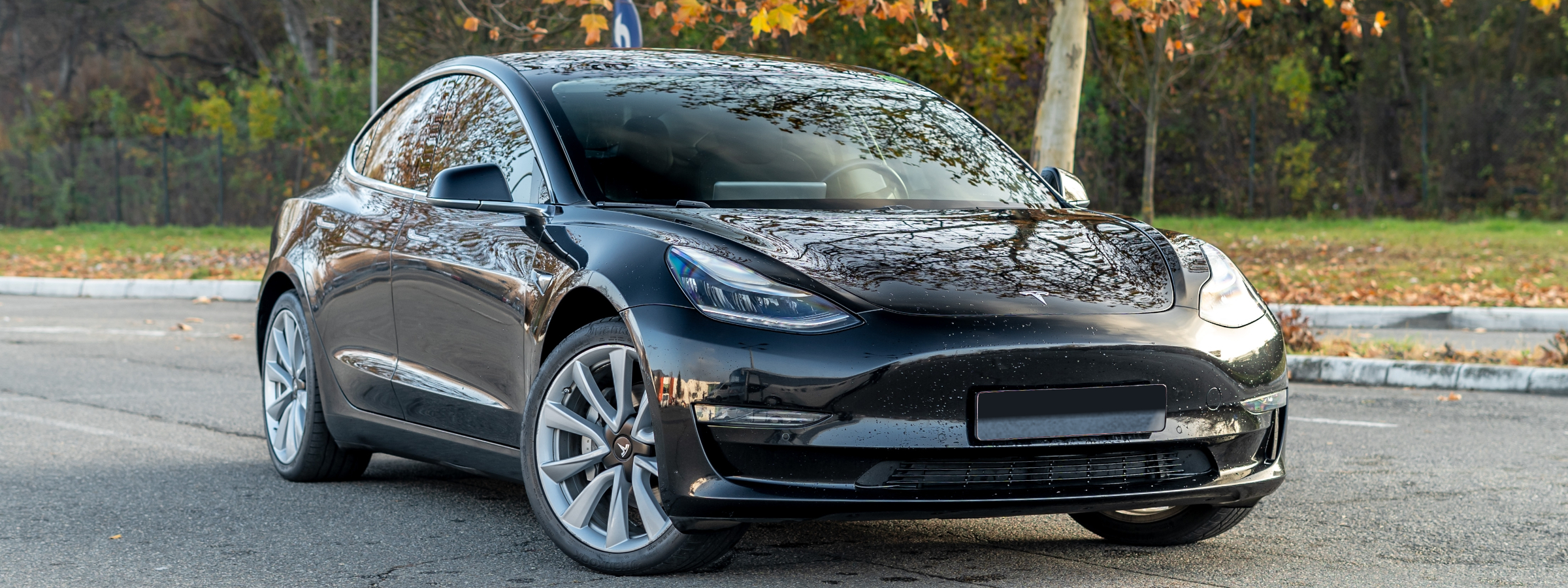
The Tesla Model 3 launched with a clear mission: deliver electric performance in a streamlined sedan package. From 2018 through 2023, it has remained one of the most recognizable EVs on the road.
The low stance gives the Model 3 a planted, athletic feel. Steering is tight and responsive, and acceleration is immediate. Standard Range Plus models provide a strong daily-driving range, often exceeding 250 miles depending on the year. Long-range trims push well past 300 miles in later model years. Performance versions bring serious speed, with 0–60 mph times dipping close to the three-second mark in newer configurations.
Inside, minimalism defines the experience. A single 15-inch center touchscreen controls climate, navigation, media, vehicle settings, and more. Tesla’s over-the-air software updates enhance functionality over time, meaning even earlier 2018 or 2019 models continue to receive interface improvements and feature refinements.
From 2021 forward, updates included a redesigned center console, wireless phone charging, and subtle interior refinements. Heated front seats are common throughout these years, and heated rear seats became more widely included in later trims. The expansive glass roof stretches from front to back, creating an open, bright cabin that feels upscale and modern.
Cargo space is practical for a sedan. You get a traditional rear trunk plus a front trunk, giving you flexibility for groceries, luggage, or work gear. For commuters, professionals, and drivers who prefer a lower driving position, the Model 3 delivers a focused and efficient experience.
Tesla Model Y: Elevated Seating and Expanded Space
The Tesla Model Y entered production for the 2020 model year, bringing SUV versatility to the Tesla lineup. Built on a similar platform as the Model 3, the Model Y shares much of its technology and performance structure while offering increased interior space and a higher ride height.
The elevated seating position provides excellent road visibility. The rear hatch design opens wide, revealing a generous cargo capacity that surpasses the Model 3. Folding rear seats expand storage even further, making road trips, weekend projects, and family outings easy to manage.
Certain configurations include an available third row, allowing seating for up to seven passengers in select model years. This flexibility has made the Model Y a popular choice for growing families and drivers who regularly carry passengers.
Performance remains strong across the lineup. Long-range versions offer impressive mileage per charge, frequently exceeding 300 miles in later years. Performance trims mirror the Model 3’s quick acceleration, delivering thrilling speed in a compact SUV form. Dual motor all-wheel drive appears in Long Range and Performance trims, providing added traction and confident handling.
The interior mirrors the Model 3’s clean, tech-forward layout with the same 15-inch touchscreen interface. Software updates keep systems current, and newer models include improvements such as a heat pump system introduced around 2021 to help optimize efficiency in varying temperatures.
Key Differences That Matter
When comparing the two, size stands out immediately. The Model 3 feels compact and nimble. The Model Y offers expanded rear headroom, more cargo capacity, and a hatchback-style liftgate that increases everyday practicality.
Ground clearance is higher in the Model Y, which many drivers appreciate when navigating uneven pavement or entering driveways. The Model 3 maintains a lower profile that enhances its sporty feel. Weight differs slightly due to the SUV structure of the Model Y. That additional size contributes to cargo flexibility and passenger space. The Model 3 typically edges ahead in efficiency due to its lighter build and sedan design.
From a technology standpoint, both models deliver Autopilot capability, advanced safety features, regenerative braking, and Tesla’s robust charging network compatibility. Across 2018–2026, updates have refined build quality, cabin materials, and efficiency components in both vehicles.
Range and Charging Confidence
Range is a major focus for any EV buyer. Model 3 Standard Range versions provide excellent daily usability, while Long Range trims stretch comfortably for extended highway drives. The Model Y follows a similar pattern, with Long Range versions offering impressive mileage that suits both commuting and travel.
Access to Tesla’s Supercharger network remains a major advantage for both models. Charging is straightforward, fast, and widely available across California. Many owners also install home charging setups for added convenience.
Which Tesla Fits Your Routine?
If you prefer a sleek sedan that feels quick and agile, the Model 3 checks every box. It suits drivers who prioritize efficiency and a lower seating position while still enjoying cutting-edge technology. If you want expanded cargo room, flexible seating, and a higher driving perspective, the Model Y stands out. It brings SUV practicality with the same electric excitement Tesla is known for.
At Own A Car in Fresno, we carry a range of 2018 through 2023 Tesla Model 3 and Model Y vehicles. Our team walks you through trim differences, battery options, performance levels, and interior features so you can choose with clarity.
Electric driving delivers instant torque, smooth handling, and advanced tech in every mile. Stop by our Fresno dealership and experience the difference in person. Press the accelerator once, and you’ll understand why these two models lead the conversation in the EV world.